
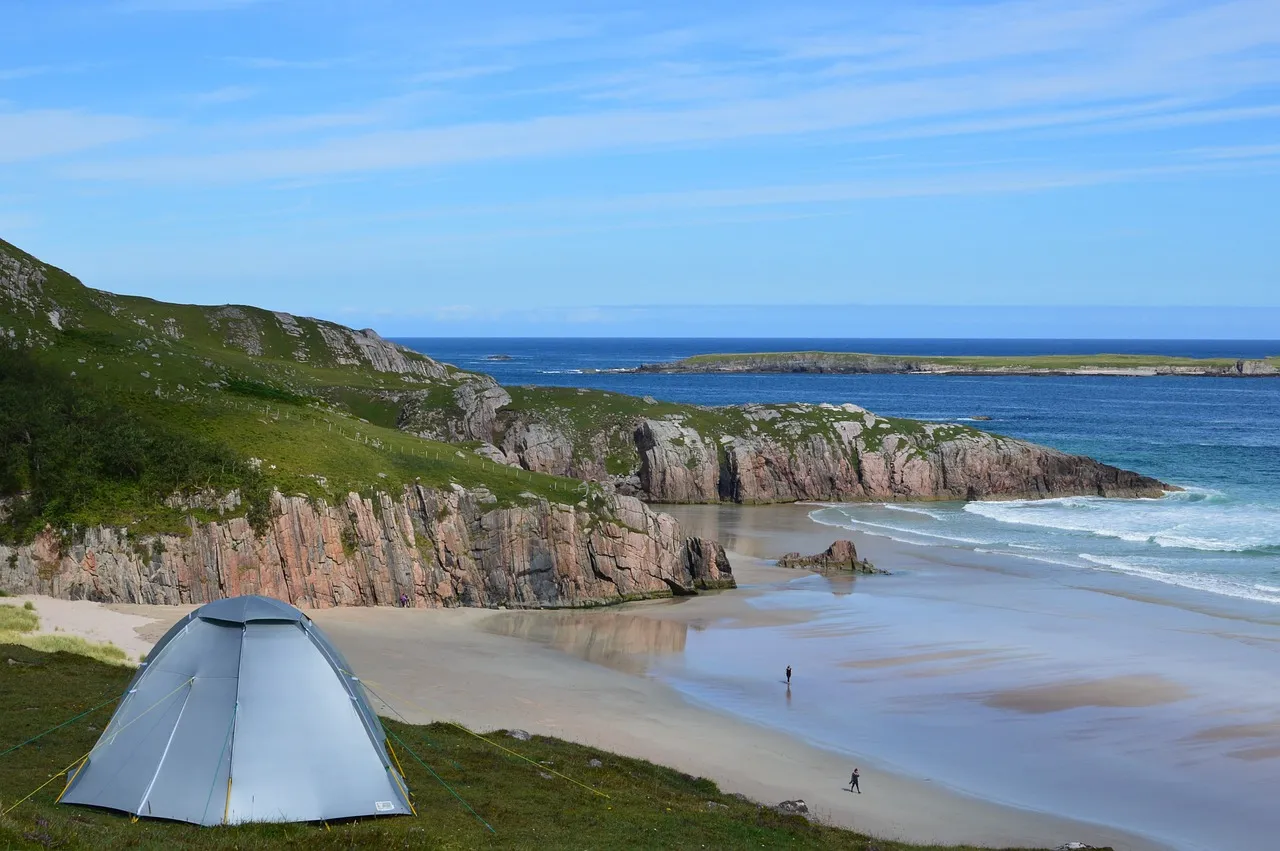
Wild Camping in Europe: Where It’s Allowed and What You Need to Know
Can you camp anywhere in Europe? Not quite… Wild camping means freedom — but also rules. In some countries it’s fully allowed, in others it can cost you a hefty fine.
Wild camping in Europe is becoming increasingly popular among travelers seeking freedom, nature, and low-cost adventures. However, unlike other parts of the world, regulations here are strict and vary significantly between countries.
In this guide, you’ll learn where wild camping is allowed, where it’s restricted, and how to do it responsibly.
What Is Wild Camping?
Wild camping refers to setting up a tent outside designated campsites.
It’s important to distinguish between:
- Wild camping – staying multiple nights with a tent
- Bivouacking – a single overnight stay with minimal setup
In many countries, bivouacking is more tolerated than traditional camping.
Where Is Wild Camping Allowed in Europe?
Scandinavia – Maximum Freedom
In Sweden, Norway, and Finland, the “Right to Roam” applies.
This means:
- You can camp almost anywhere in nature
- Usually limited to 1–2 nights
- Must stay away from private property
- Fire restrictions often apply
These are the best countries for wild camping in Europe.
Baltic States – A Balanced Approach
Estonia, Latvia, and Lithuania offer relatively flexible rules.
Especially in Estonia:
- Free camping areas are widely available
- Infrastructure like shelters and fire pits exists
- Clear guidelines for outdoor travelers
Scotland – Freedom in the UK
Wild camping is legal across most of Scotland.
However:
- In England and Wales, landowner permission is required
- Dartmoor National Park is a rare exception in England
Countries with Partial Restrictions
France
- Allowed on private land with permission
- Restricted in coastal areas and protected zones
- Bivouacking in the mountains is often tolerated
Germany, Austria, Switzerland
- Camping outside designated areas is mostly prohibited
- Bivouacking may be allowed in some cases
- Fines can be significant, especially in Switzerland
Poland
- “Stay Overnight in the Forest” program provides legal camping zones
- In practice, wild camping is often tolerated
Spain
- Rules vary by region
- Camping is generally restricted
- Camper vans have more flexibility
Countries with Strict Regulations
Southern Europe
In Italy, Croatia, Greece, and Portugal:
- Wild camping is generally prohibited
- Enforcement is strict, especially near the coast
- Fines can be high
Central & Eastern Europe
In Czechia, Slovakia, Hungary, and Romania:
- Rules are often unclear
- Camping may lead to fines
- Bivouacking is more tolerated than camping
Practical Tips for Wild Camping
To stay safe and avoid fines:
- Choose remote and discreet locations
- Arrive late and leave early
- Leave no trace
- Avoid making fires unless explicitly allowed
- Respect private property and local communities
Conclusion
Wild camping in Europe is possible, but it requires planning and awareness of local laws.
Northern countries offer the most freedom, while southern regions tend to be more restrictive.
If done responsibly, wild camping can be one of the most authentic ways to experience nature.
Related Articles
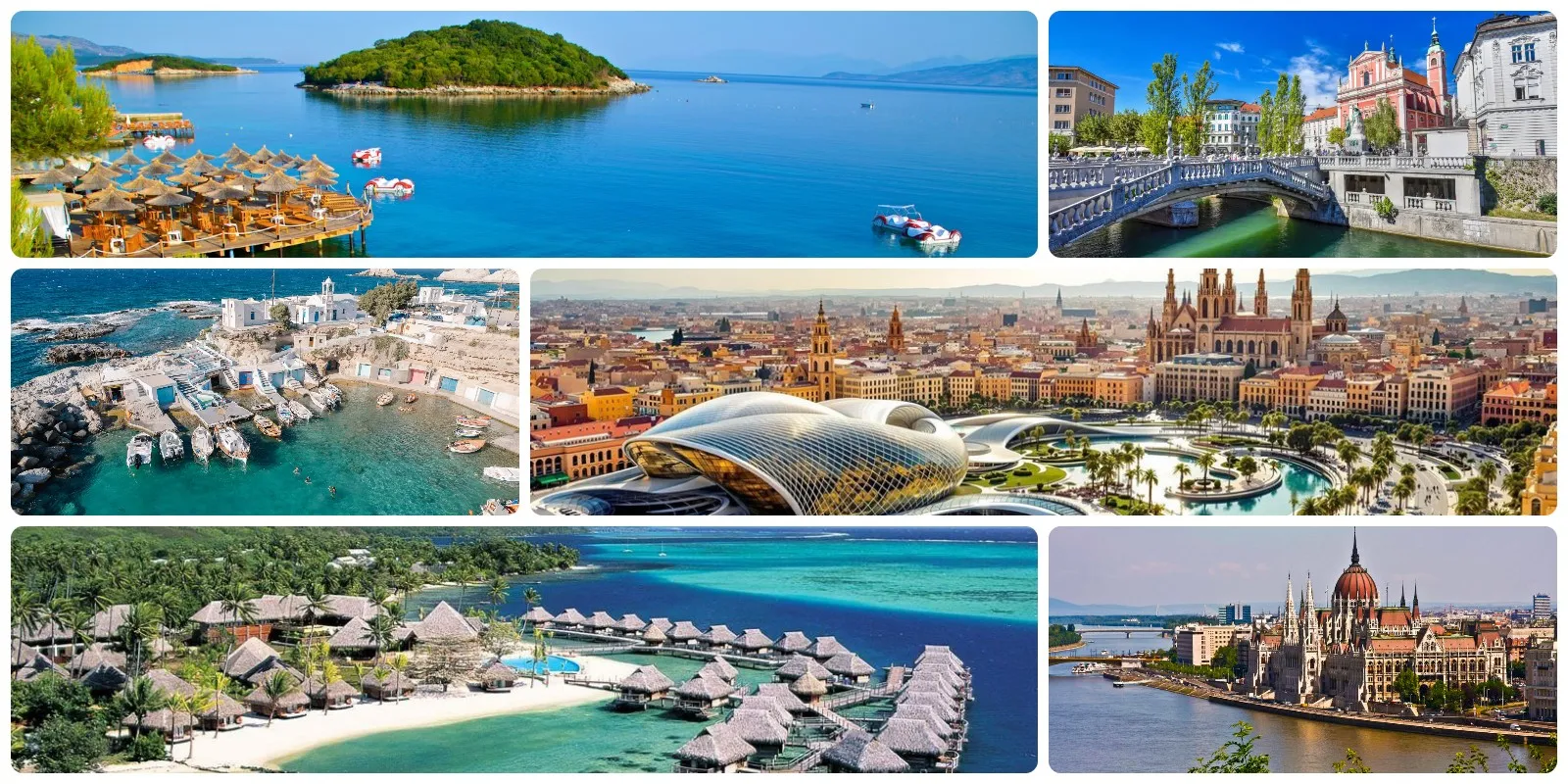
Dupes: Budget Alternatives to Overcrowded Travel Hot Spots
Travel has never been easier or more affordable, but the popularity of famous destinations often comes with downsides: overtourism, long lines, and inf
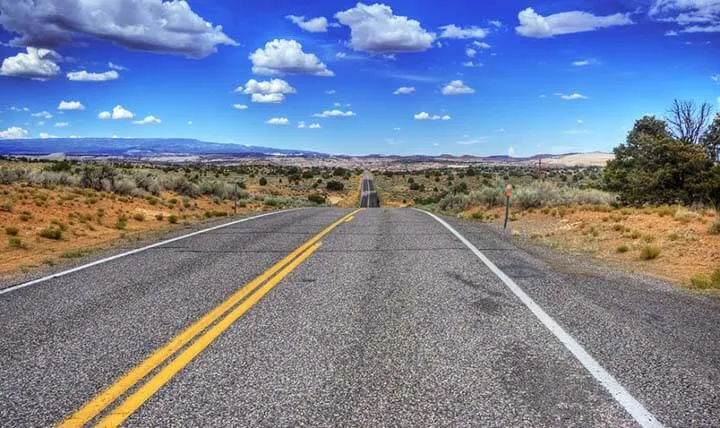
Top 5 Routes with The Most Amazing Views
When you set out on a journey, it’s not only the destination that matters — it’s the road itself.
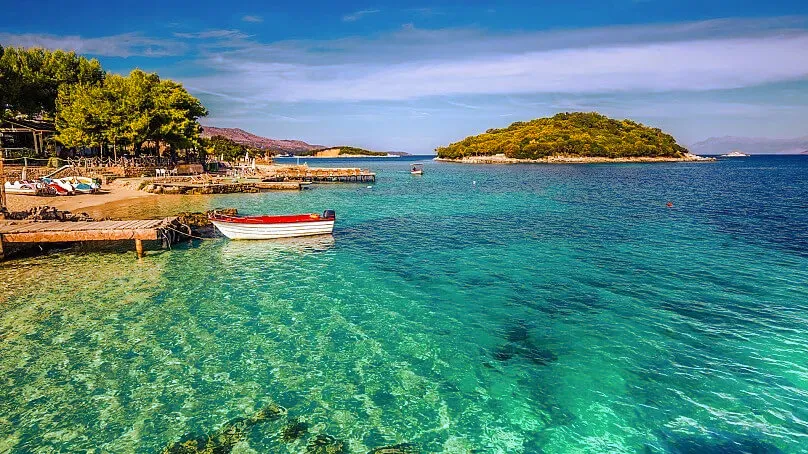
Maldives of Europe - the Albanian Riviera
Discover why Ksamil and Lukova are known as the “Maldives of Europe.” Explore turquoise beaches, island escapes, must-see attractions, the best time to visit, and why the Albanian Riviera is becoming one of Europe’s top summer destinations.