
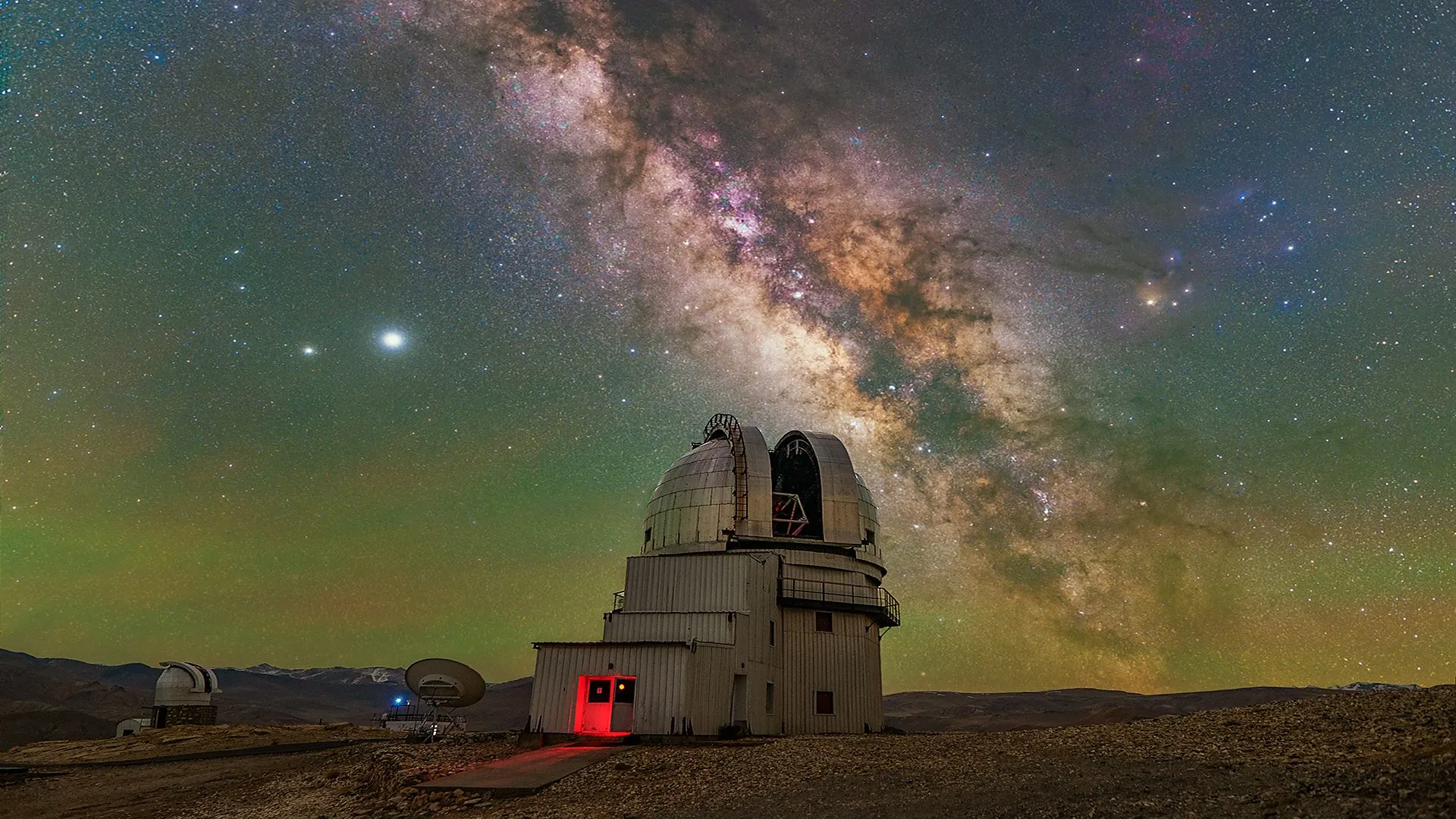
Night Sky Escapes: Destinations for Stargazing, Astro-Tourism, and Cosmic Events
The night sky is one of humanity’s most timeless delights — a canvas of stars, planets, comets and meteor showers that invites wonder, solace, and discovery.
The night sky is one of humanity’s most timeless delights — a canvas of stars, planets, comets and meteor showers that invites wonder, solace, and discovery. In recent years astro-tourism (travel motivated by the night sky) has surged, with destinations around the world promoting dark skies, minimal light pollution, and celestial events as part of their appeal. In this article we explore top stargazing destinations, how to plan an astro-tourism trip, and highlight some of the remarkable cosmic events and comets visible in the skies in 2025.
Why Stargazing & Astro-Tourism Are Thriving
Stargazing isn’t just the hobby of amateur astronomers anymore — it’s becoming a sought-after travel experience. Here are a few reasons for the boom:
Dark-sky awareness: As light pollution grows globally, places that preserve dark, clear skies become rare and treasured. Visitors increasingly seek destinations where they can see the Milky Way, constellations, and faint celestial objects with minimal interference.
Unique experiences: Watching the night sky in a remote setting, perhaps with a guide, telescope, or even staying at a dedicated observatory lodge, adds a layer of immersion that typical travel doesn’t offer.
Astro-events as draws: Meteor showers, eclipses, comets and planetary alignments are scheduled (or at least predictable) events that give travelers a reason to plan a trip around the stars.
Local cultural & ecological tie-ins: Many sites pair stargazing with local culture, night-sky tourism certification, or conservation efforts. For instance, remote communities may embrace astro-tourism as sustainable income while preserving their environment.
Accessibility: With improved apps, sky-mapping tools, affordable binoculars and cameras, more people can participate in stargazing. Even basic gear and a dark site are enough to make an impression.
In short: Astro-tourism offers the opportunity to connect with nature, heritage, science and the cosmos in one experience.
Top Destinations for Stargazing
Here are three highly recommended destinations (and there are many more!) where the night sky truly shines. Each one offers something different: remote wilderness, cultural integration, and high-altitude clarity.
1. Hanle, Ladakh, India
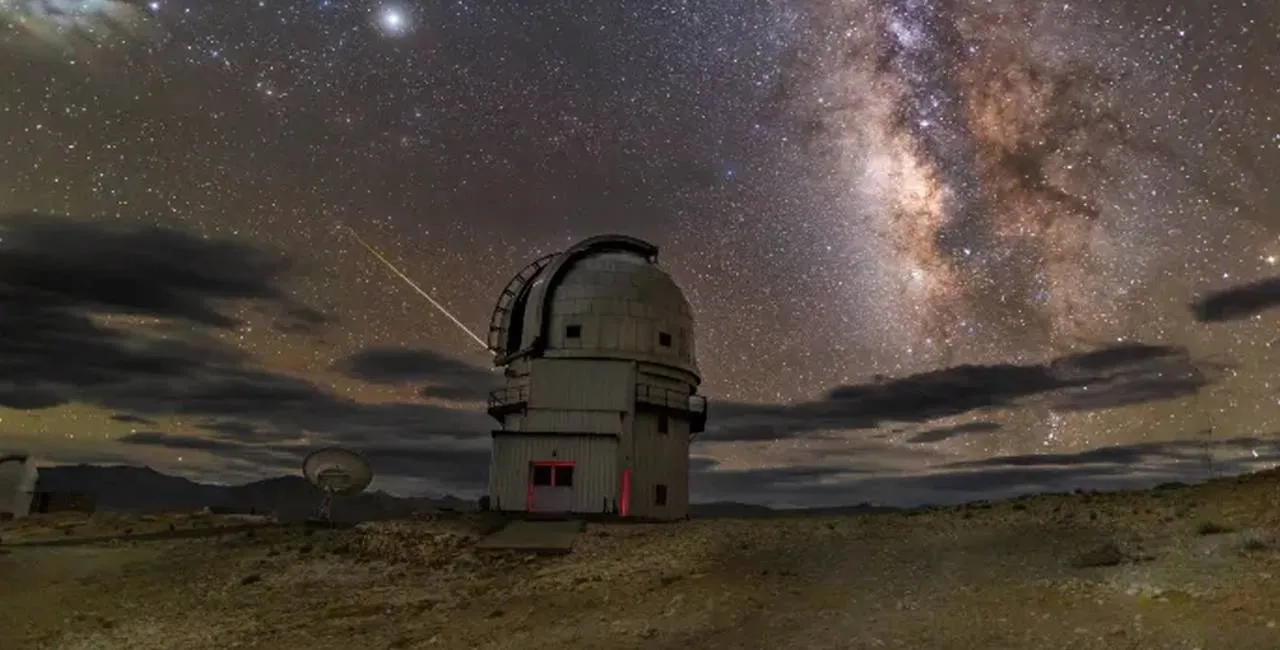
Nestled at over 4,500 m in the Himalayas, Hanle is one of the world’s highest astronomical sites. Beyond its scientific importance, it has developed an astro-tourism programme: local residents (mostly women) trained as “astro-ambassadors” guide visitors with telescopes, share sky lore and homestay hospitality.
The Guardian
Highlights: ultra-dark skies, high altitude means clear air, cultural immersion.
Tip: Cold nights even in summer, so bring warm gear. Also, altitude can affect some visitors—acclimate carefully.
2. Aoraki Mackenzie International Dark Sky Reserve, New Zealand
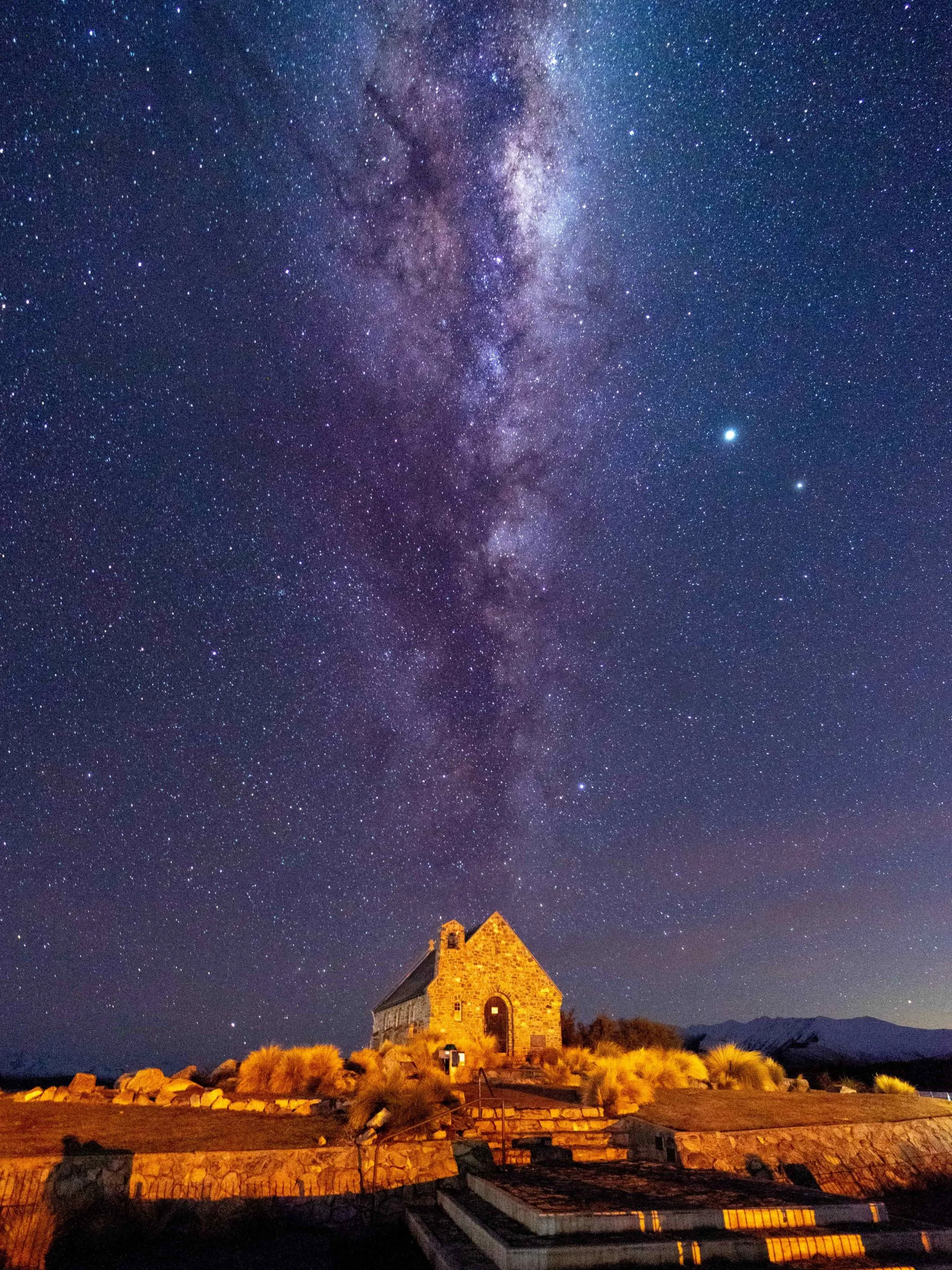
This reserve is internationally recognised for its exceptionally dark southern skies, home to the Southern Cross, Magellanic Clouds, and the core of the Milky Way in the Southern Hemisphere.
Highlights: Facilities geared to stargazers, guided tours, comfortable lodgings with sky-view.
Tip: Southern hemisphere viewers get a different sky than the north—constellations and events can look quite unfamiliar, so plan orientation time.
3. Death Valley National Park, California, USA
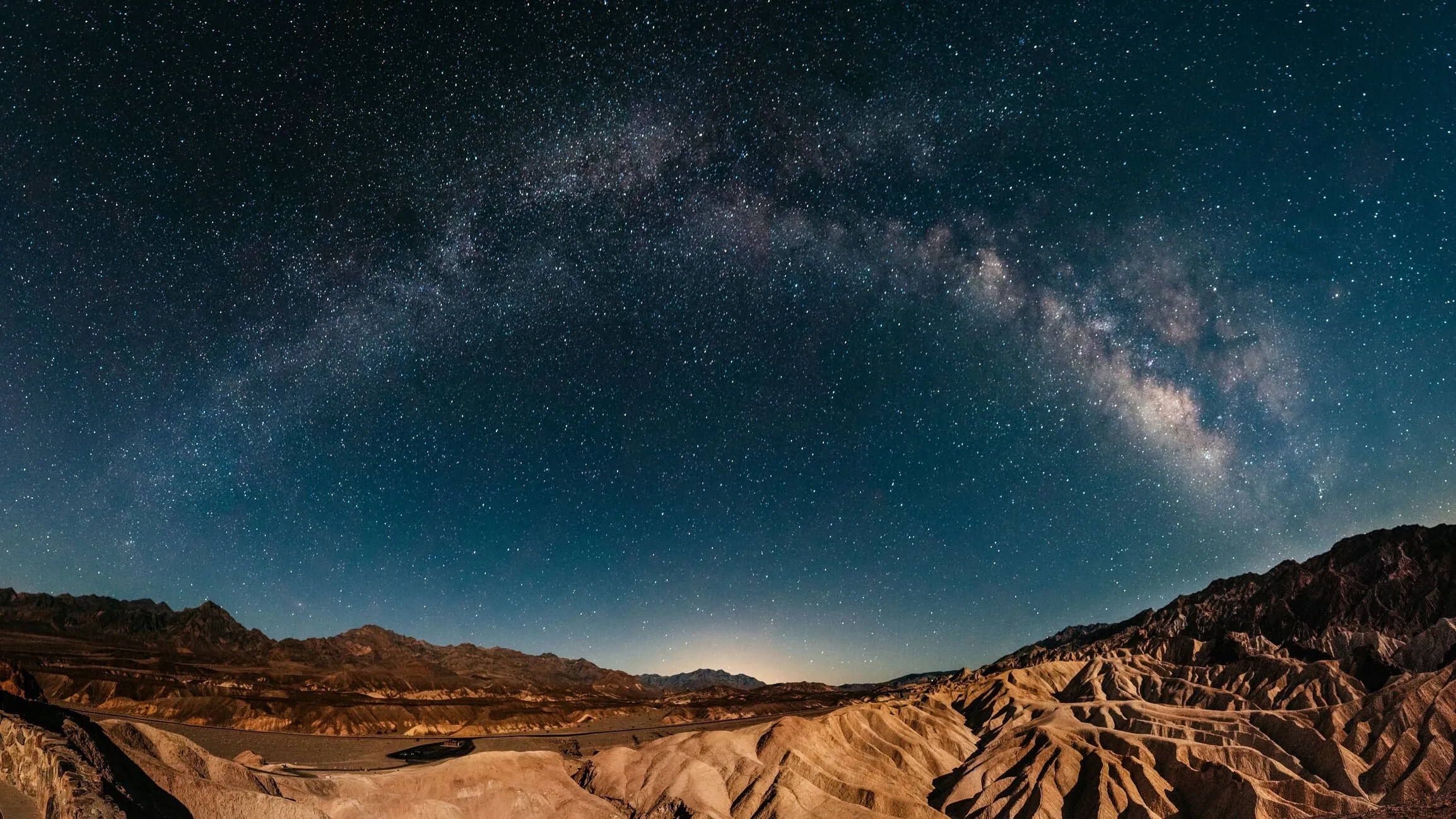
As one of the darkest protected areas in the U.S., Death Valley offers accessible stargazing from the continental United States.
Highlights: Low light pollution, vast landscapes, desert environment adds drama to star-filled skies.
Tip: Summer nights may be warm but daylight is extreme—consider twilight or early evening sessions. Always bring water and be prepared.
Planning Your Astro Escape: What to Consider
Here are key elements to include when planning your stargazing trip:
- Moon phase & timing: A full moon brightens the sky and drowns out faint stars and comets; aim for new moon windows if possible.
- Light pollution map: Check where dark sky areas are (the DarkSky Finder map is helpful).
- Weather & altitude: Clear skies are vital. High altitudes often mean fewer clouds and crisper skies, but also colder temps.
- Gear: Even basic equipment helps—binoculars (8× or 10×) and a star-map app will vastly improve the experience. For photography, a tripod and wide-angle lens are useful.
- Stay duration: Two or more nights increase chances of good conditions (clouds happen!).
- Local guides & tours: Local expertise can elevate the experience—learn about constellations, mythologies, and optimal viewing sites.
- Comfort & logistics: Remote stargazing often means limited amenities; plan accordingly (food, accommodation, transport).
- Safety: Especially in remote locations—let someone know your plan, bring proper clothing, and be aware of local conditions (wildlife, terrain, weather).
Cosmic Events & Comets to Watch in 2025
Part of what makes an astro-tourism trip extra special is timing it with a celestial event. Below are some recent highlights and upcoming opportunities.
Comets
C/2025 A6 (Lemmon) — discovered in January 2025 by the Mount Lemmon Survey. It is predicted to reach magnitude ~4 (potentially naked-eye visible from dark skies) around late October to early November.
The comet will pass closest to Earth around October 21, 2025.
Its greenish glow is caused by gases such as diatomic carbon in its coma.
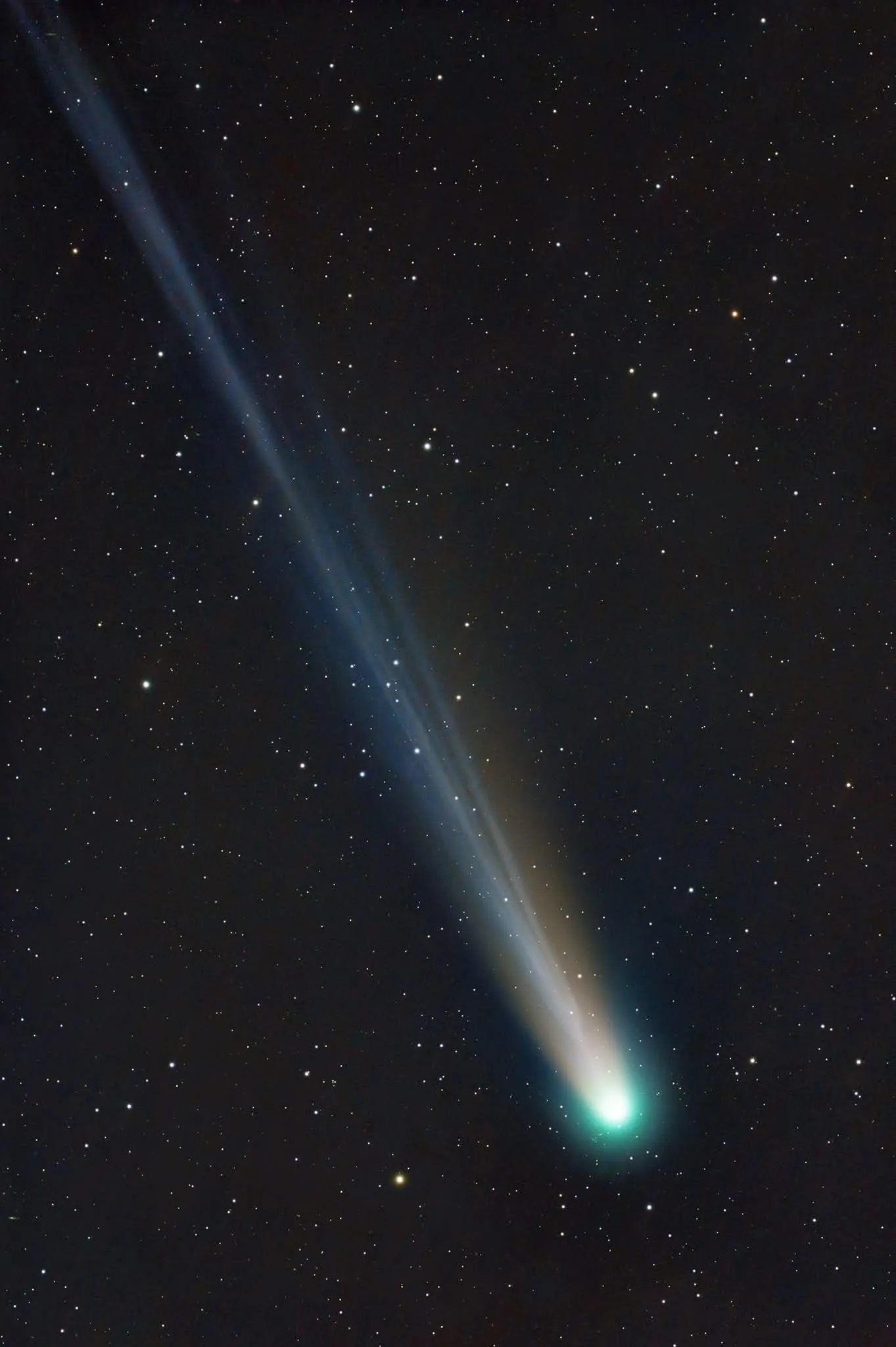
C/2025 R2 (SWAN) — discovered on September 11, 2025 via SOHO’s SWAN instrument. Its closest approach to Earth is around October 20, 2025.
The comet is predicted to be binocular-visible (~magnitude 6) and may become brighter in dark sky conditions.
It is quite rare to have two comets bright enough to pick out in the same month, making October 2025 a potentially exceptional time.
Meteor Showers
The Orionids meteor shower peaks around October 20–21, 2025. This aligns nicely with the comets above, offering a sky-watching triple feature (two comets + meteor shower) under a new moon.
Live Science
Other regular showers (e.g., Perseids in August, Geminids in December) are also great travel anchors for stargazing trips.
Why These Matter
Comets serve as cosmic time-capsules — old icy bodies from the outer Solar System (sometimes the Oort Cloud) that bring material from the dawn of the Solar System near to Earth. Seeing one is like catching a visitor that may not return for hundreds or thousands of years. For example, Lemmon’s orbital period is on the order of ~1,150–1,350 years.
Уикипедия
Meteor showers, meanwhile, are debris trails from comets (or asteroids) entering Earth’s atmosphere — a connection between sky-tourism, celestial mechanics and spectacular visuals.
Putting It All Together: A Sample Trip
Here’s how you might structure a “night-sky escape” around one of the upcoming comets/meteor shower pairings:
- Destination: Choose a dark-sky location suitable for your region (for instance, Northern Hemisphere between October 18–25)
- Timing: Aim for dates around the new moon (late October) so the sky is dark.
- Events to catch: Two visible comets (SWAN & Lemmon) + Orionids meteor shower peak.
- Equipment & logistics: Arrive early, equip with binoculars (and maybe camera gear), select a vantage point with a clear western/southwestern horizon (for evening comets).
- Experience layering: Combine stargazing with local culture (night-sky tour, dinner under the stars, time to reflect) and daylight side extras (hiking, local heritage).
- Weather contingency: Have a backup night in case clouds foil the first attempt.
Final Thoughts
There’s a profound magic in pausing the hustle of our daily world to look up and reflect on the immensity of the cosmos. Whether you’re lying on a desert plain, perched high in the Himalayas, or beside a quiet New Zealand lake, the night sky offers timeless beauty and connection. With the upcoming comets and meteor showers of 2025, it’s a particularly ripe moment to plan a night sky escape.
Related Articles
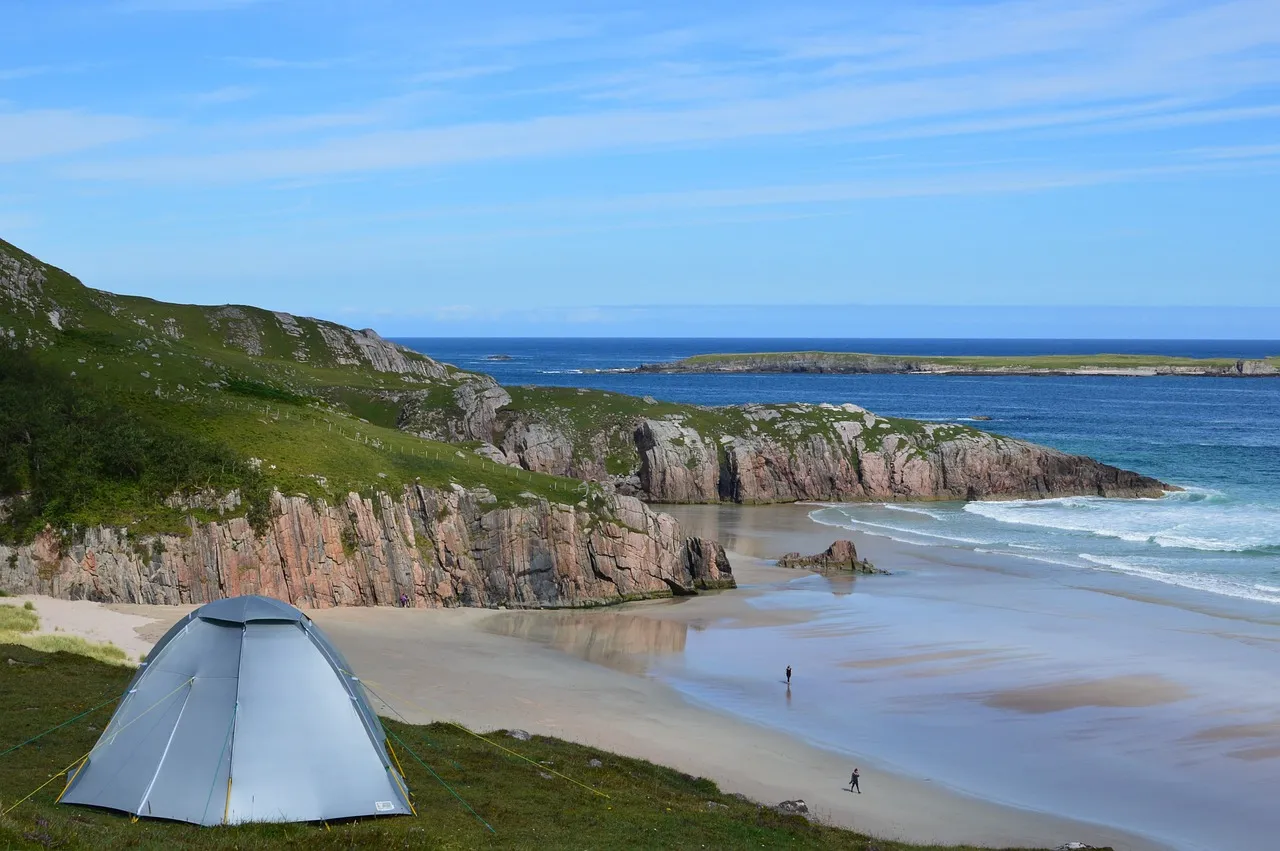
Wild Camping in Europe: Where It’s Allowed and What You Need to Know
Can you camp anywhere in Europe? Not quite… Wild camping means freedom — but also rules. In some countries it’s fully allowed, in others it can cost you a hefty fine.
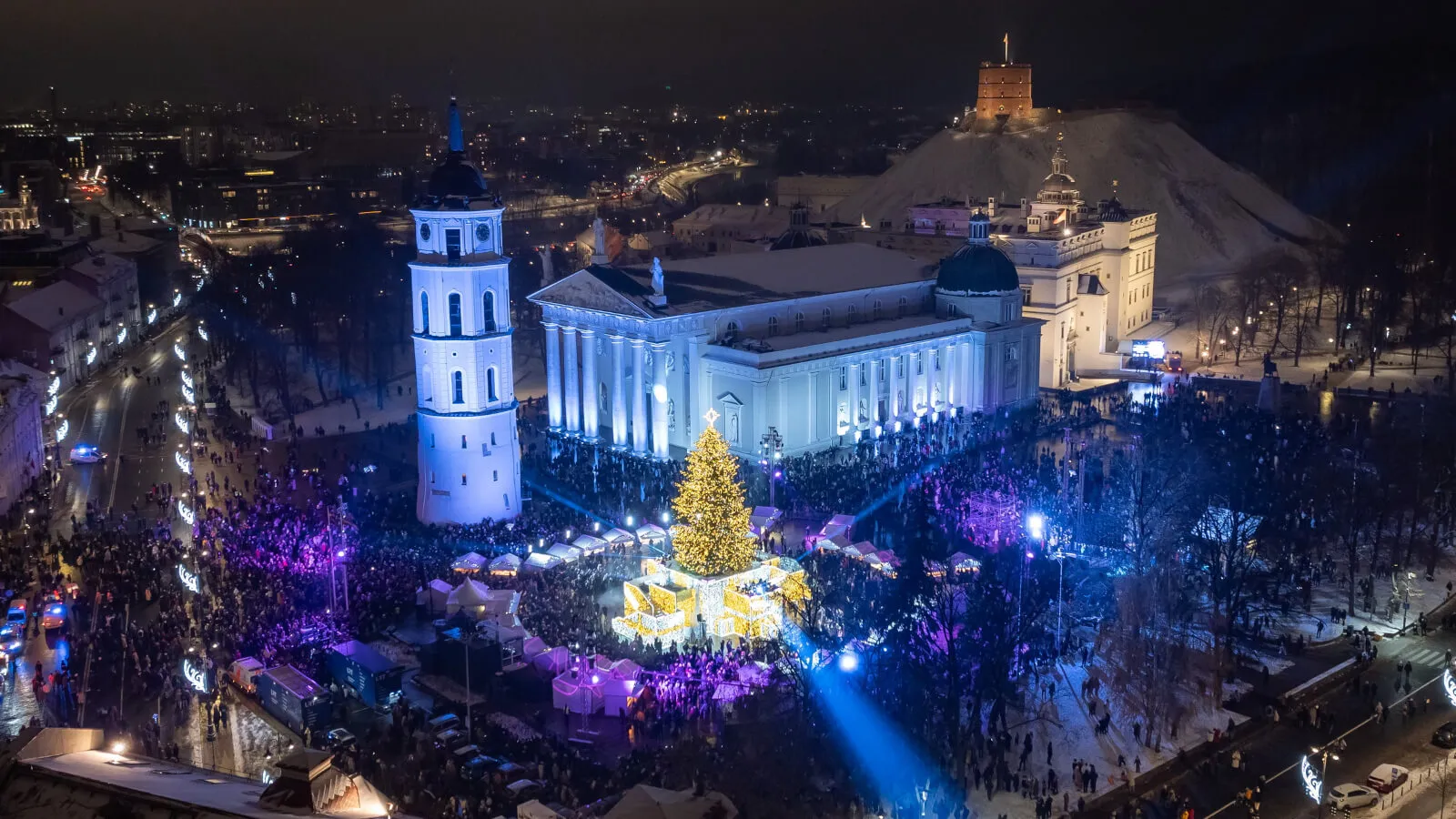
The Best Affordable Christmas Markets in Europe for 2025
Explore the best affordable Christmas markets in Europe for 2025. Discover budget-friendly destinations like Vilnius, Kraków, Budapest, and more.

Maldives of Europe - the Albanian Riviera
Discover why Ksamil and Lukova are known as the “Maldives of Europe.” Explore turquoise beaches, island escapes, must-see attractions, the best time to visit, and why the Albanian Riviera is becoming one of Europe’s top summer destinations.